
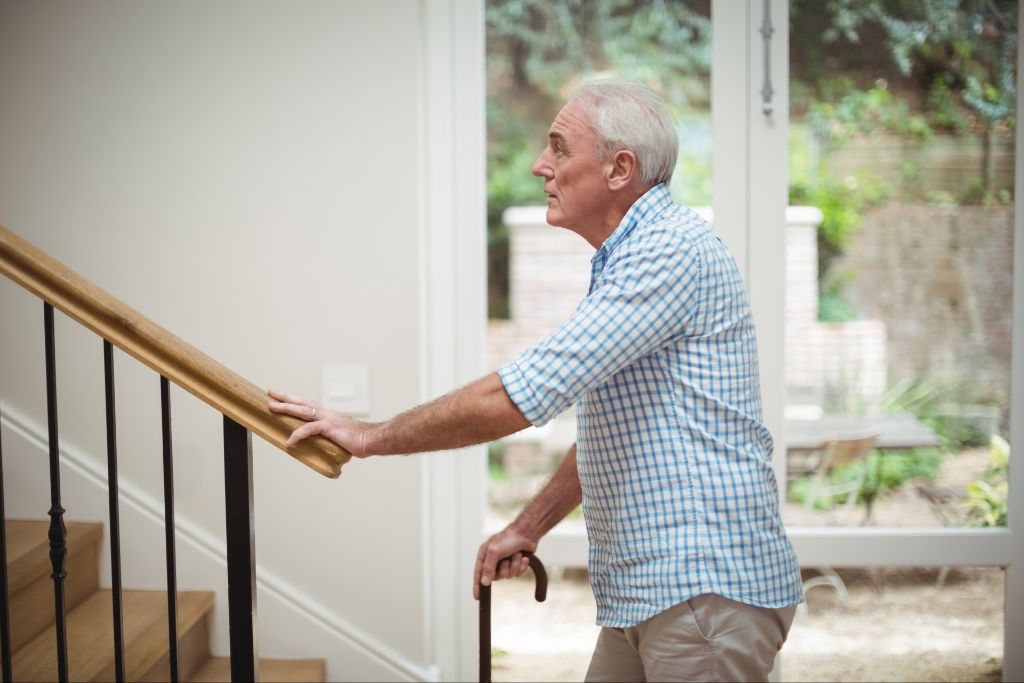
Most older adults would rather grow old in the home they already know than move anywhere else. The trouble is that a typical house was built for younger bodies, with slippery bathroom floors, narrow doorways, and stairs that feel steeper every year. A handful of well-chosen aging in place home modifications can close that gap and let a parent stay put with far less risk of a fall. Some cost a few dollars and an afternoon. Others are larger projects worth planning before a crisis forces a rushed decision. Family Matters In-Home Care has helped California families plan around these changes since 2002, pairing a safer home with the daily support that makes staying put work.
Why Home Modifications Matter for Aging in Place
Home modifications are changes to a living space that make daily tasks safer and easier as mobility, balance, and eyesight shift with age. They range from a grab bar beside the toilet to a full walk-in shower or a ramp at the front door.
The payoff is independence. A parent who can shower safely, reach the kitchen, and move between rooms without fear keeps the routines that make home feel like home, which is a large part of why aging in place matters to most seniors. Falls are the leading cause of injury for older adults, and many happen at home in spaces a few changes could fix. Fewer falls also means fewer hospital stays and a lower chance of an early move into a facility.
Home Modifications That Prevent Falls
The bathroom is where many serious falls happen, so it earns attention first. Wet tile, a low toilet, and a high tub edge are a risky mix for anyone unsteady on their feet. Grab bars beside the toilet and inside the shower, a non-slip mat, a handheld showerhead, and a shower chair remove much of that danger for a modest cost, and let a parent keep the privacy of an ordinary morning. A curbless or walk-in shower is a bigger project that pays off for a parent who can no longer step over a tub wall.
A fall is often the event that starts these conversations, and knowing how to respond in the moment matters as much as preventing the next one.
Read: 5 Ways to Help Aging Parents Who Fall & Can’t Get Up
Outside the bathroom, the same idea applies room by room. Brighter bulbs and motion-activated night lights make hallways and stairs easier to read after dark. Handrails on both sides of a staircase, secured rugs, and clear walkways cut the trip hazards that send seniors to the emergency room. For families weighing whether a parent also needs hands-on help, personal care that supports safe home living covers bathing, dressing, and mobility, all of which a modified bathroom makes safer to provide.
Use the checklist below as a starting point for a room-by-room walk-through.
| Room | Changes that make the biggest difference |
| Bathroom | Grab bars, non-slip flooring, walk-in shower, raised toilet seat, shower chair |
| Stairs and halls | Handrails on both sides, brighter and motion-activated lighting, marked step edges |
| Entryways | No-step or ramped entry, lever-style handles, sturdy outdoor lighting |
| Bedroom | Bed at a reachable height, a clear path to the bathroom, a lamp within arm’s reach |
| Kitchen | Lever faucets, reachable storage, pull-out shelves, good task lighting |
Smart-Home Devices for Aging in Place
Physical changes are only part of the picture. A growing set of low-cost devices helps seniors stay safe between caregiver visits and gives family members peace of mind from across town. A few cover most needs:
- Medical alert pendants that call for help after a fall
- Automatic stove shut-off devices that cut the burner if it is left on
- Video doorbells so a parent can see who is at the door before opening it
- Automatic medication dispensers with reminders
- Voice assistants for hands-free calls, reminders, and lights
The right mix depends on the parent and the home, and a little technology stretches the value of every physical change.
Read: Aging in Place Technologies to Help Seniors Stay at Home
How to Plan Home Modifications
A clear plan keeps you from spending on the wrong projects first. Before buying anything, walk the home with your parent and watch how they move through their day. An occupational therapist can run a formal home safety assessment, and a Certified Aging-in-Place Specialist (CAPS) can flag hazards a family might miss.
Once you know the risks, tackle them in order of danger rather than cost:
- Fix the bathroom, where falls are most likely
- Secure the stairs and improve lighting throughout
- Clear trip hazards like loose rugs and cords
- Address entry and doorway access for walkers or wheelchairs
- Plan larger remodels, such as a walk-in shower or a first-floor bedroom
Who Helps Pay for Home Modifications?
Budget follows the same logic as the plan. Grab bars, lighting, and non-slip flooring cost very little and deliver the most safety per dollar. Larger conversions like a curbless shower or a stair lift run into the thousands and reward planning ahead. Several programs help cover the bigger projects, so ask before you pay out of pocket.
- Veterans benefits may pay for home modifications for eligible veterans, including grants for bathroom and access changes
- Long-term care insurance sometimes reimburses safety modifications, depending on the policy
- Some Medicare Advantage plans add limited home-safety benefits that Original Medicare does not offer
- Medi-Cal waivers may cover specific modifications for eligible lower-income residents
- Your county Area Agency on Aging can point you toward grants and low-cost repair programs
How Family Matters Helps Families Age in Place
A safer home takes care of the hazards, and a parent still needs a person for the hours in between. A caregiver does the things a parent can no longer manage alone, from a morning shower to a hot meal to company through a long afternoon. Family Matters has built its name on that kind of steady, personal help, with companion care and personal care delivered by caregivers who stay long enough to learn how your parent takes their coffee.
Some of the services we offer at Family Matters In-Home Care include: Alzheimer’s & Dementia Care, Recovery Care, 24-Hour Live-In Care, Housekeeping & Meal Preparation, Senior Transportation, Veterans Home Care, and Bed & Wheelchair Transfer Assistance.
If you are planning ahead for a parent, our free In-Home Care Guide is a good place to start. Download the free In-Home Care Guide for a clear look at what in-home care covers and how to plan for it. You can also contact Family Matters In-Home Care at (888) 962-4836, and a care manager can walk your home with you and point out the changes that matter most for your parent.
Where We Serve
We proudly serve the San Francisco Bay Area, Sacramento, and San Diego:
Frequently Asked Questions
What are the most important home modifications for aging in place?
Grab bars, non-slip flooring, and a walk-in shower in the bathroom matter most, since falls are most likely there. After the bathroom, add handrails and brighter lighting on stairs, clear loose rugs and cords, and make entryways step-free. These low-cost fixes prevent the most common injuries, and larger remodels can follow as needs grow.
How much do aging in place home modifications cost?
Costs range from an afternoon’s spending to a full contractor project. Small fixes like grab bars, brighter bulbs, and non-slip mats are cheap and quick to install. A walk-in shower, stair lift, or widened doorways cost far more. Before committing, check whether veterans benefits, insurance, or a county program can share the cost.
When should families start modifying a parent’s home?
Before a fall or hospital stay forces the decision. Making changes early avoids rushed, costly work during a crisis. If a parent has started moving more slowly, avoiding the stairs, or skipping showers, it is time to walk the home and plan.
Can home modifications replace in-home care?
No, not entirely. A safer home reduces risk, but many seniors still need help with bathing, meals, medication reminders, and company. Modifications and non-medical home care work best together, with the home preventing accidents and a caregiver handling the daily tasks a parent can no longer manage alone.
About Family Matters In-Home Care
Family Matters In-Home Care is a family-founded, non-medical home care agency serving seniors across California, with offices throughout the San Francisco Bay Area, San Diego, and Sacramento. Founded in 2002 by Carol Pardue-Spears after nearly two decades in patient care at El Camino Hospital, the agency has grown through trusted referrals and longstanding community relationships built on compassionate, family-centered care.
If you or your family member is considering in-home care as part of a plan to age in place, contact Family Matters In-Home Care today for a free consultation. Our team is dedicated to supporting your family and helping older adults enjoy life in the comfort of their own home for as long as possible.
