
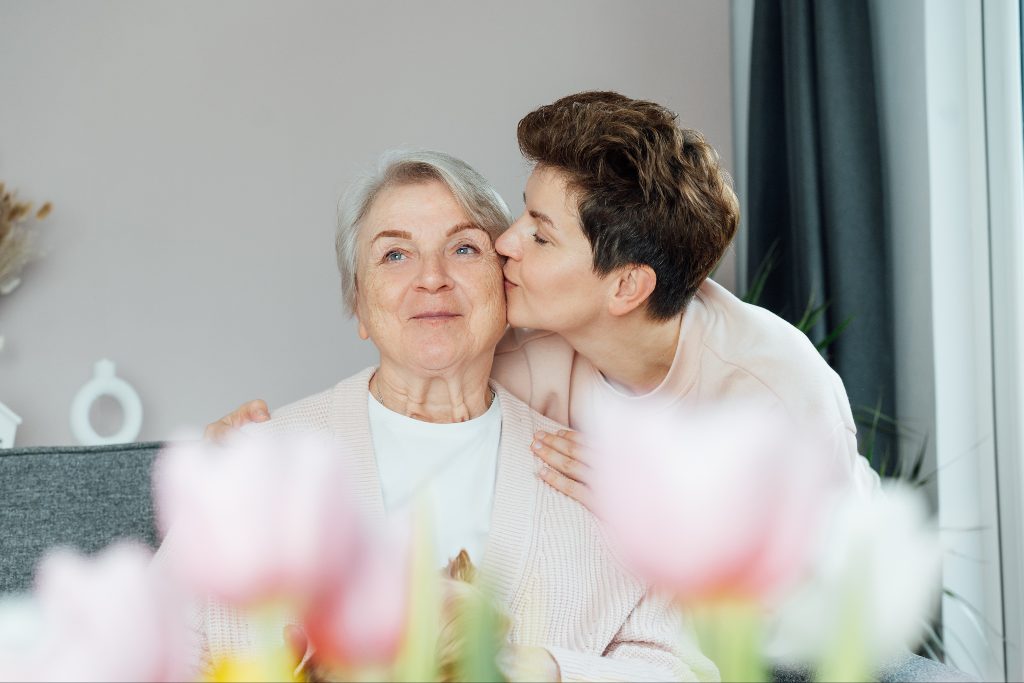
You feel responsible for your mom’s care, especially since she took care of you as a child. But being an unpaid family caregiver is no easy task, and when it starts consuming your time, energy, and attention, that’s usually a sign of caregiver burnout, a common experience among unpaid family caregivers.
There is a way forward, even when caregiving has taken over completely. Here’s what to know about managing burnout while caring for an aging parent.
Why Is Taking Care of Mom So Hard?
For much of your life, your mom was in the driver’s seat of your relationship. She fed you, clothed you, and made most of the decisions until you were an adult. Now that the roles are reversed and she relies on you for personal tasks such as feeding, bathing, and dressing, it’s normal to feel saddened and conflicted.
Family caregiving is hard for most adult children. Being a full-time caregiver strains your mind, body, emotional state, and social life. You might feel burnt out due to:
- Having to take excessive time off work
- Managing your mom’s medical appointments
- Regulating your mom’s emotions
- Accommodating your mom’s physical challenges
- Modifying your house to fit your mom’s needs
- Feeling isolated from everyone except your mom
- Feeling trapped as your mom’s caregiver
- Feeling guilty about your negative emotions
- Abandoning your own needs because of your caregiving duties
- Resenting a lack of help and support from your siblings
- Coming to terms with challenging behaviors and conflicts with your mom
Caregiving is a physical, financial, and social challenge as well as an emotional one. All of these factors can contribute to burnout as an unpaid caregiver for an aging parent.
Identifying the Signs of Caregiver Burnout
Caregiving can quietly become too much before you notice it happening. Pushing yourself past your limits isn’t fair to you or to your mother. Watch out for these warning signs of caregiver burnout:
- Frustration
- Compassion fatigue
- Frequent crying
- Anxiety
- Depression
- Social isolation
- Increased conflicts with your mom
- Irritability
- Sleep problems
- Appetite changes
- Loss of interest in your hobbies
- Excessive guilt
- Anger
Burnout doesn’t mean you’re a bad son or daughter. In fact, it’s a sign that you care about and love your mom enough to protect her well-being despite the challenges it brings to your life. Just don’t let your burnout go unchecked.
Ways to Manage Caregiver Burnout
Here are some tips to help you manage your life as both a caregiver and an individual with complex emotions and personal needs.
Seek Respite Care
Turn to paid professionals who can provide temporary relief so you can rest and recharge. Family Matters In-Home Care offers in-home companion care that lets your mom stay in her own home while you step back, even for just an afternoon a week, since shifts run a minimum of four hours.
Practice Self-Care
Self-care is not a luxury, it’s a necessity for a family caregiver. Your self-care activities could include journaling, taking a hot bubble bath, meeting up with a friend for coffee, or simply sitting in silence for a while. If you can, carve out some time each day to engage in your hobbies, eat your favorite foods, and nourish your body and mind.
Ask for Help
Ask your family members if they can step in for a few hours (or even a whole day) to take care of your mom. You can’t do this alone, and any outside support you get will benefit both of you.
Set Boundaries
Decide in advance what you can and can’t do, and say so clearly. Turning down an extra errand or a same-day request isn’t a failure, it’s what keeps you able to help at all. A schedule your mom can count on, with limits she knows ahead of time, usually causes less conflict than open-ended availability.
Accept Your Feelings Without Shame
Shaming yourself for feeling burnt out won’t help. In fact, it’ll make everything more difficult. Instead, practice radical acceptance of your emotions and acknowledge that this is a difficult situation for anyone to be in.
Finding the Balance Between Caregiving and Self-Care
You’re a person with needs and feelings, too. You don’t have to abandon your own needs to meet your mom’s, and you don’t have to wait until you’re completely burned out to ask for help.
Family Matters caregivers can step in for a few hours a week with companion care, meal preparation, and transportation, or take on more, like personal care or 24-hour live-in care, as your mom’s needs grow.
Call us at (888) 962-4836 or schedule a free in-home consultation to talk through what kind of support would help most. It’s just a conversation, not a commitment.
Where We Serve
We proudly serve the San Francisco Bay Area, Sacramento, and San Diego:
Frequently Asked Questions
How do I deal with a mother who feels difficult or manipulative?
Start by separating her needs from her demands, and respond to the first while limiting the second. If her behavior consistently leaves you feeling controlled or guilted into things you don’t want to do, read more on dealing with difficult parents for ways to respond without escalating conflict.
Does my mother need assisted living or a nursing home instead of staying home?
It depends on her medical needs and how much supervision she requires day to day. Assisted living and nursing homes suit people who need more consistent medical oversight than family or in-home caregivers can provide, while non-medical home care can often support someone who mainly needs help with daily tasks. A geriatric care manager or her doctor can help assess which fits her situation.
What should I do if I can no longer care for my elderly mother alone?
Bring in outside support before you reach a breaking point, whether that means paid in-home care, help from other family members, or a higher level of care like assisted living. Recognizing your limit early gives you more options and more time to make a good decision, rather than a rushed one.
About Family Matters In-Home Care
Family Matters In-Home Care is a family-founded, non-medical home care agency serving seniors across California, with offices throughout the San Francisco Bay Area, San Diego, and Sacramento. Founded in 2002 by Carol Pardue-Spears after nearly two decades in patient care at El Camino Hospital, the agency has grown through trusted referrals and longstanding community relationships built on compassionate, family-centered care.
If you or your family member is considering in-home care as part of a plan to age in place, contact Family Matters In-Home Care today for a free consultation. Our team is dedicated to supporting your family and helping older adults enjoy life in the comfort of their own home for as long as possible.
