
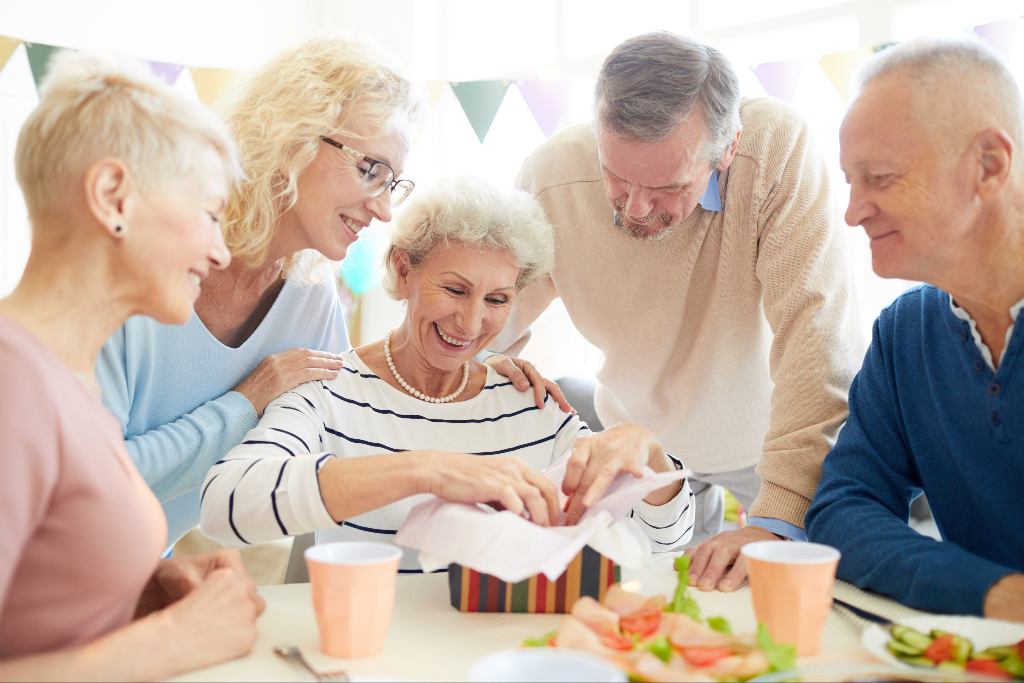
As people grow older, it is not unusual to feel lonely or to lose the easy companionship of earlier years. Seniors lose the everyday contact that once came with a job, and in time they may lose friends and family too, which hits even harder for anyone kept home by illness or limited mobility. Social programs for the elderly help fill that gap, and they come in two forms: casual community activities that bring people together, like a garden plot, a cooking class, or a weekly game day, and the more formal programs run through senior centers and Area Agencies on Aging, with group meals, outings, and social events. The right mix depends on a person’s interests, health, and how easily they can get out the door.
What You’ll Find in This Article
- Why Social Connection Matters
- Community Activities That Bring Seniors Together
- Formal Programs and Where to Find Them
- Senior Programs in California and Sacramento
- Frequently Asked Questions
Why Social Connection Matters
Staying social is not just pleasant, it protects health. The National Institute on Aging links social isolation and loneliness to higher risks of heart disease, depression, and cognitive decline, while strong connections are tied to longer, healthier lives. Helping a senior stay engaged is one of the most valuable things a family can do, and the ideas below range from things you can set up this weekend to established programs already running in your community.
Community Activities That Bring Seniors Together
Community garden
There is something truly rewarding about planting seeds, watching them grow, and enjoying the fruits, vegetables, herbs, and flowers that come of it. Many seniors love to garden on their own, and a community garden adds the social piece, with neighbors working side by side to grow produce for local families.
Cooking classes
Not everyone has a green thumb, but everyone has to eat. Seniors who live alone can fall into a mealtime rut, and a local cooking class is a chance to learn new dishes, taste new foods, and make a few friends who might just become regular dinner companions.
Water aerobics and gentle exercise
Staying active is not always easy later in life, especially with health concerns, but movement keeps people mobile and independent. Water aerobics is gentle on the joints while still building strength, and the class itself is a friendly, social hour.
Dance classes and social dances
Dancing keeps the body moving and the spirits up, and research suggests it sharpens the mind as well. The Alzheimer’s community has taken real interest, exploring dance as a way to ease symptoms and support memory. A local dance class or social dance can be one of the most joyful options on this list.
Book and movie clubs
Book clubs and movie clubs introduce seniors to new stories and ideas, and just as importantly, they create a reason to gather and talk. Comparing notes on a good read or film keeps the mind engaged and the conversation flowing.
Puzzle and game days
A standing game day with family or friends mixes fun with a little mental exercise. It is an ideal choice for someone who cannot get out easily or who has physical limits, since the whole thing happens around a single table.
Field trips and senior travel groups
Seniors can take advantage of discounts at museums, zoos, aquariums, theaters, and restaurants. For the more adventurous, senior travel groups offer low-cost trips with the details handled, and they are a wonderful place to meet peers and make new friends.
Clubs and membership groups
Hobbies like quilting, golf, or walking naturally lead to groups, and a senior can join one or start their own. There are also established organizations built for this stage of life, including AARP, the Red Hat Society, and SCORE, many of which offer discounts, volunteer work, and a renewed sense of purpose. Veterans often find that same camaraderie through groups like the VFW or American Legion, and families caring for a loved one who served can pair that with dedicated veterans home care when day-to-day help is needed.
Meetup and online groups
Some seniors are not especially comfortable with technology and miss easy ways to find people who share their interests. The Meetup platform is worth learning together, since it lists local groups for nearly every hobby, and your loved one can join one or start their own. For single seniors, dating apps can be a fun way to find companionship at any age.
Family fun days
When relatives feel they must single-handedly fill a senior’s social calendar, it can strain the relationship. Spreading the love helps. A family fun day with food, games, and good company eases a loved one’s loneliness and creates bonding time for everyone.
Formal Programs and Where to Find Them
Beyond the activities you can organize yourself, a whole network of established programs exists to keep older adults connected, and most of it is free or low-cost. The local senior center is the heart of it, with daily classes, shared meals, games, and outings under one roof. Behind the scenes, Area Agencies on Aging, created under the Older Americans Act, coordinate social and recreational programs along with meals, benefits counseling, and caregiver support in nearly every community. The simplest way to find what is nearby is the Eldercare Locator, a free national service at 1-800-677-1116 that points you to your local agency.
Two practical things decide whether a senior actually uses these programs. The first is getting there. If your loved one no longer drives, reliable senior transportation is what turns a great program across town into one they can actually attend. The second is company, especially at the start. A familiar companion care aide can go along to that first class or meal, ease the nerves of walking into a room of strangers, and provide steady connection at home between outings.
Senior Programs in California and Sacramento
California runs a deep network for older residents, coordinated by the California Department of Aging in Sacramento. The state oversees 33 Area Agencies on Aging that serve all 58 counties, and a single statewide line, 1-800-510-2020, connects callers to local help. Through these agencies, older Californians can find congregate and home-delivered meals, free Medicare counseling through HICAP, family caregiver support, and the social and recreational programs that senior centers run every day.
In the Sacramento region, the local Area Agency on Aging works alongside a strong set of city and county senior centers that anchor much of the day-to-day activity, from group lunches to fitness classes and organized trips. Knowing which California senior programs a loved one qualifies for, from meal delivery to caregiver support, often makes the difference between a quiet week at home and several days out among friends.
Frequently Asked Questions
What are social programs for the elderly?
They fall into two groups. The first is community activities that bring people together, such as gardening clubs, cooking or dance classes, book clubs, and game days. The second is formal programs run through senior centers and Area Agencies on Aging, including group meals, outings, fitness classes, and benefits counseling.
What free social programs are available for seniors?
Most senior centers offer free or low-cost classes, shared meals, and social events, and public libraries and parks departments often run programs for older adults. Area Agencies on Aging coordinate additional services, many of them free, including congregate meals and wellness programs.
What services do local Area Agencies on Aging provide?
They coordinate meals, transportation, social and recreational programs, health and wellness classes, benefits and Medicare counseling, caregiver support, and referrals to local services. They were established under the Older Americans Act to help older adults stay independent at home.
How do I find senior programs near me?
Call the Eldercare Locator at 1-800-677-1116 or visit eldercare.acl.gov to reach your local Area Agency on Aging. In California, the statewide Aging and Adult Information Line at 1-800-510-2020 connects you to services in your county.
What social activities work for seniors with limited mobility?
Game and puzzle days, book and movie clubs, online interest groups, and family gatherings all work well when getting out is hard. Many senior centers and Area Agencies on Aging also offer transportation that makes in-person programs possible.
