
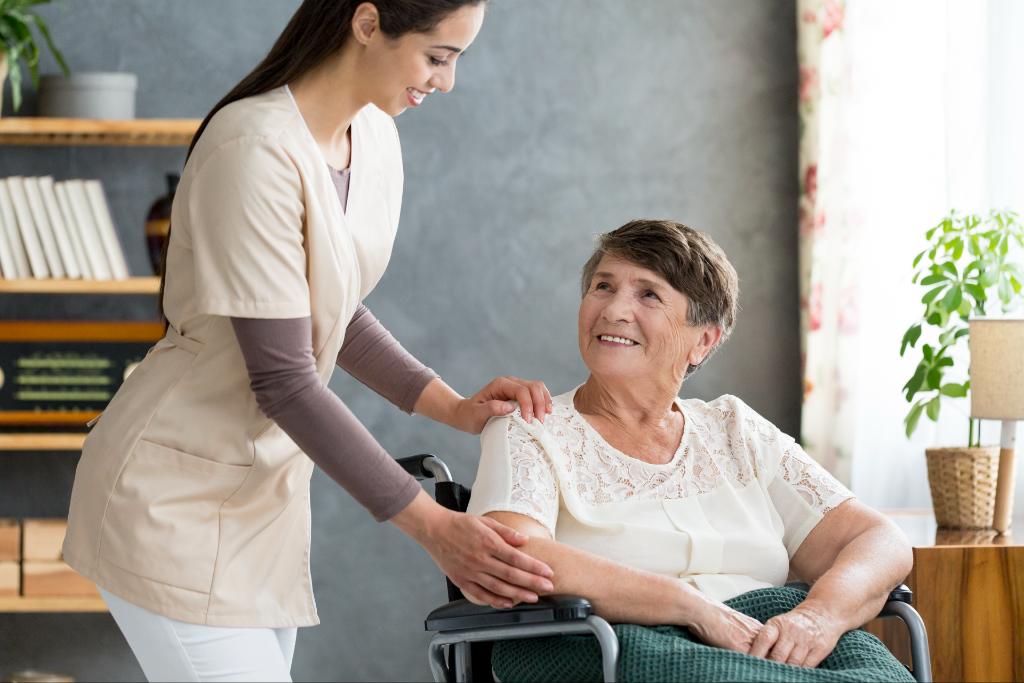
Ask ten families what a home care aide does, and you will hear ten different guesses. Some picture a nurse. Others imagine light housekeeping and not much else. The real answer sits in between, and it is more practical than either. A home care aide provides home care assistance: non-medical help with daily life so an older adult can stay safely at home. On an ordinary day, the work is specific, hands-on, and built around one person.
What Is Home Care Assistance?
Home care assistance is non-medical support with everyday living, provided in a person’s own home by a trained caregiver. In practice, it covers tasks like:
- Help with bathing, dressing, and grooming
- Meal preparation and light housekeeping
- Errands, grocery runs, and rides to appointments
- Medication reminders
- Companionship and a watchful eye for safety
Families come to home care for different reasons. A parent may be set on staying home as they age. The need can follow a hospital stay, or arrive with a condition like dementia or Parkinson’s. Often it comes down to giving a worn-out family caregiver a real break.
Home Care Aide vs. Home Health Aide
A home care aide is not the same as a nurse. A home health aide is certified for basic medical tasks under a nurse’s direction, things like checking vital signs and wound care, while a home care aide provides the non-medical support above. A home care aide does not give injections, change dressings, or do anything that needs a license. Most families looking for help at home want the home care aide. When a medical need comes up, a good agency coordinates with the family and the right professionals.
Care Built Around the Person
The help is built around the person. One client may need an afternoon of companionship each week. Another may need help getting out of bed every morning. The plan fits the life, not the other way around. You may also see the same support called private-duty home care, especially when a family arranges it directly.
Read: What is Private Duty Home Care?
What a Home Care Aide Does Day to Day
The work falls into a few clear areas, and most days touch more than one.
Personal Care
Personal care is the private, hands-on help that protects dignity and safety. It runs from light, standby supervision while a parent gets ready to full hands-on help with bathing and incontinence, scaled to what they need. On a typical visit, a caregiver helps with the basics.
- Bathing, showering, and grooming
- Dressing and help with mobility
- Toileting and incontinence support
- Standing by during risky moments like stairs or the shower
Because the help is so personal, continuity matters. Families often start here, with the personal care services that feel hardest to ask for and most relieving to have.
Companionship and Household Help
Not every need is physical. A large part of the day is keeping life running and a person company.
A caregiver may cook meals, tidy up, do laundry, run errands, or drive to appointments. Just as often, the value is the conversation over coffee and the steady presence that fills a quiet house. A good caregiver remembers that your dad takes his coffee black and likes the ballgame on by seven. That steady company is the heart of companionship and household help. On a hard day, it can matter as much as any task on the list.
Safety, Reminders, and Routine
The quietest part of the job is often the most important. A caregiver keeps an eye on the small things that keep a senior safe and steady.
The work here is medication reminders, watching for fall risks, and catching small changes, a skipped meal or a new unsteadiness on the stairs, before they become problems. A steady routine does much of the work, and the same caregiver showing up is what makes it possible. Anything notable gets passed back to the family, so no one is left guessing.
Companion Care vs. Personal Care: How to Choose
The same aide can often provide both kinds of help. Companion care is built around company and emotional well-being, with conversation, activities, light household help, and rides. Personal care covers hands-on hygiene and mobility support, such as bathing, grooming, and help with incontinence.
Companion care tends to fit when a parent:
- Lives alone and feels isolated or lonely
- Is mentally sharp but enjoys social interaction
- Could use light help around the house
- Needs rides to appointments or social outings
- Would enjoy a friendly, familiar presence in their day
Personal care tends to fit when a parent:
- Needs help with bathing, dressing, or grooming
- Has trouble managing incontinence or toileting
- Struggles with mobility or transferring safely
- Is recovering from surgery or illness
Many families need both, and one often grows into the other as needs change. Family Matters In-Home Care provides companion care and personal care under one roof, and the plan is customized to your parent. When needs change, the care shifts with them instead of sending you back out to find a new agency.
A Realistic Day With a Home Care Aide
No two days look the same, but a typical visit has a rhythm. Here is how a morning shift might unfold for a parent who needs moderate help.
- Arrival and check-in. The caregiver greets your parent, reviews how the night went, and looks over the plan for the day.
- Morning care. Help with bathing, dressing, and grooming, at whatever pace feels comfortable.
- Breakfast and medications. A prepared meal, a medication reminder, and a little conversation to start the day.
- Light housekeeping and errands. Dishes, laundry, a tidy living room, and a run to the pharmacy if needed.
- Company and activity. A walk, a card game, or time in the garden, matched to what your parent enjoys.
Longer shifts carry the same rhythm into the afternoon and evening: lunch, a rest, an errand or activity, then dinner and help settling in for the night. Overnight and live-in care add a steady presence through the small hours, so someone is there when your parent wakes at 3 a.m. and needs help getting up safely. Visits can range from a few hours to around-the-clock support, and the pace follows your parent, not a clipboard. For a closer look at the process, see what to expect from your caregiver.
How Family Matters Matches Caregivers to Your Family
The same checklist of duties feels completely different depending on who walks through the door, which is why the match matters as much as the tasks. Family Matters matches caregivers on personality, language, and routine rather than open hours alone, and the same caregiver tends to stay, so a familiar face becomes part of your parent’s day.
Some of the services we offer at Family Matters In-Home Care include: Alzheimer’s & Dementia Care, Recovery Care, 24-Hour Live-In Care, Housekeeping & Meal Preparation, Senior Transportation, Veterans Home Care, and Bed & Wheelchair Transfer Assistance.
Finding the right fit starts with a conversation and a free visit at home, before anyone is matched. There is nothing to commit to, just a talk about what your parent needs. Call Family Matters In-Home Care at (888) 962-4836 or book a free consultation to see how we match caregivers to your family.
Where We Serve
We proudly serve the San Francisco Bay Area, Sacramento, and San Diego:
Frequently Asked Questions
What is the difference between a home care aide and a home health aide?
A home care aide gives non-medical help with daily life, such as bathing, meals, companionship, and medication reminders. A home health aide is certified for basic medical tasks, like checking vital signs, under a nurse’s direction. Most families seeking help at home are looking for the non-medical kind.
What does a home care aide not do?
A home care aide does not provide medical treatment. That means no injections, no wound or dressing changes, no diagnosing, and nothing else that requires a license. If a medical need comes up, the agency coordinates with the family and licensed professionals rather than handling it in-house.
How many hours of home care can a family arrange?
As few or as many as the situation calls for. Support can run from a couple of hours a week to daily visits, overnight coverage, or full-time live-in care, and the schedule can change as needs do.
How much does home care assistance cost?
Home care assistance is billed by the hour, and the total depends on how many hours a week a parent needs and how hands-on the care is. A few hours of companionship each week costs far less than daily personal care or live-in coverage. Long-term care insurance, VA benefits, and California’s IHSS program can each cover part of the cost for families who qualify.
Does a home care aide give medication?
No. A home care aide offers medication reminders and helps a parent stay on schedule, but does not administer medication. Giving injections or managing doses stays with the patient or a licensed nurse.
About Family Matters In-Home Care
Family Matters In-Home Care is a family-founded, non-medical home care agency serving seniors across California, with offices throughout the San Francisco Bay Area, San Diego, and Sacramento. Founded in 2002 by Carol Pardue-Spears after nearly two decades in patient care at El Camino Hospital, the agency has grown through trusted referrals and longstanding community relationships built on compassionate, family-centered care.
If you or your family member is considering in-home care as part of a plan to age in place, contact Family Matters In-Home Care today for a free consultation. Our team is dedicated to supporting your family and helping older adults enjoy life in the comfort of their own home for as long as possible.
